Don't miss out on local tips, events and market insights.

CLICK PLAY FOR YOUR LATEST MARKET UPDATE
For Northern NJ | April, 2026
Hope you got value from our market update. If you ever want the specifics for your neighborhood, send us an email and we'll share the data with you.
More Market Updates in Your Area!
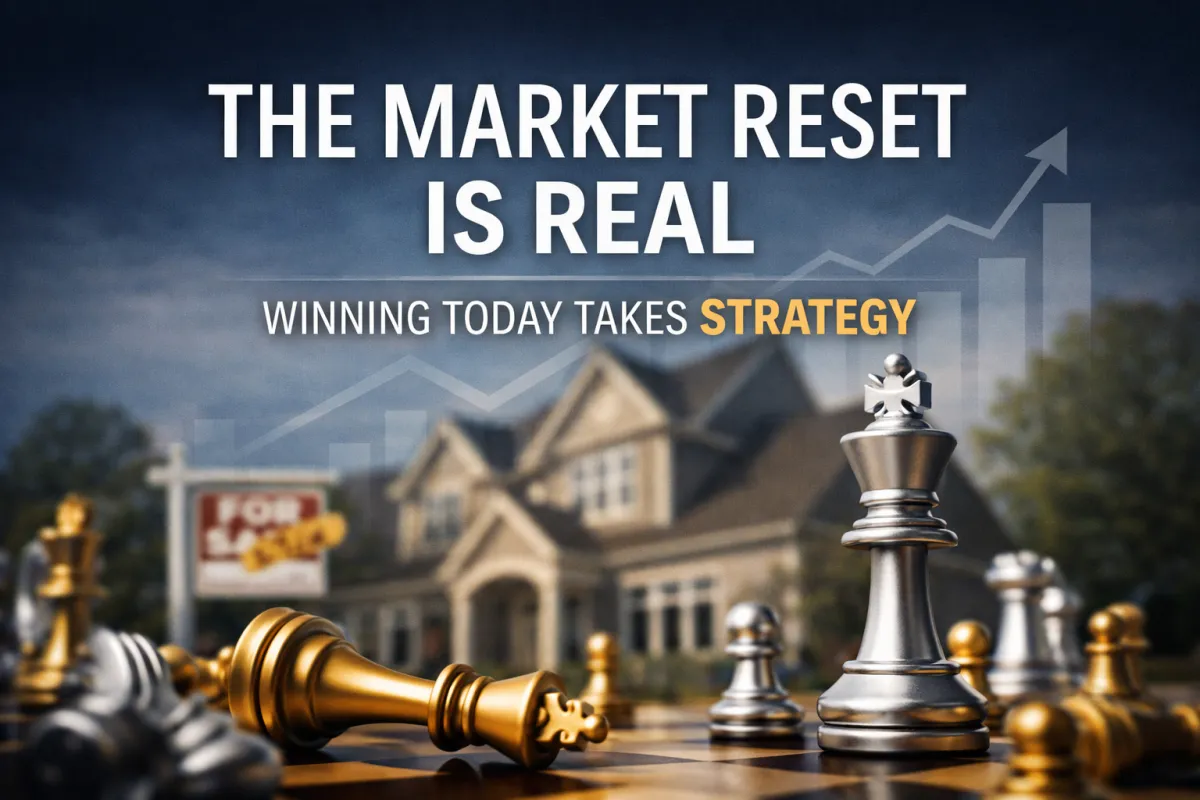
How This Market Rewards Strategy
The Market Isn’t Confusing. It’s Just Being Misread.
You’ve probably heard it a dozen different ways by now.
“The market is shifting.”
“Buyers are pulling back.”
“Sellers missed their moment.”
None of those are entirely wrong. But none of them are fully right either.
What’s actually happening is more nuanced and, if you understand it correctly, far more strategic.
We are not in a collapsing market. We are in a constrained, recalibrating one. And that distinction matters, because it changes how you should move whether you’re buying or selling.
The Real Story Behind the Headlines
Interest rates have done what they were supposed to do. They slowed behavior. They forced buyers to think harder. They introduced friction where there used to be speed.
But they didn’t eliminate demand.
Buyers are still out there. They’re just more calculated now. Instead of rushing in with emotion, they’re weighing value, comparing options, and making decisions with a longer-term lens. That’s why you’re seeing fewer offers per property, but stronger ones when they do come in.
At the same time, inventory has loosened slightly, but not enough to tip the scale. We’re still operating below what would be considered a balanced market. Which means sellers haven’t lost leverage, they’ve just lost the ability to rely on momentum alone.
This is no longer a market where you can show up and expect the market to carry you.
Now, the outcome is tied directly to strategy.
What This Means If You’re Selling
The biggest misconception sellers have right now is thinking the market determines their result.
It doesn’t. Not anymore.
In the past, you could rely on timing. List at the right moment, and the demand would do the heavy lifting. Today, that same approach leads to price reductions, extended days on market, and missed expectations.
The homes that are winning right now are not necessarily the newest or the biggest. They’re the ones that are positioned correctly from day one.
That means understanding how buyers are thinking before your home ever goes live. It means preparing the property in a way that creates emotional connection and perceived value. It means pricing based on strategy, not optimism.
This is exactly why we built our Value-Up Method™. Because in a market like this, you don’t get rewarded for simply being available. You get rewarded for being irresistible in the eyes of the right buyer.
And that doesn’t happen by accident.
What This Means If You’re Buying
From the outside, this market can feel like a standoff. Rates are higher, prices haven’t dropped dramatically, and it’s easy to assume the smartest move is to wait.
But that’s not what the most strategic buyers are doing.
They’re recognizing that while affordability has shifted, leverage has quietly returned.
Less competition means more room to negotiate. Sellers are more open to concessions. Opportunities that would have been dismissed instantly two years ago are now back on the table.
The key is knowing how to identify them.
This is where most buyers get stuck. They’re still searching like it’s 2021, reacting to listings instead of evaluating them. The shift is moving from “Do I love this house?” to “What’s the upside of this decision over the next five to ten years?”
That’s the foundation of our Buyer Upside Method™. Because the goal isn’t just to buy a home. It’s to make a move that builds equity, creates flexibility, and positions you for what comes next.
The Bottom Line
This market isn’t easier. It’s just more honest.
It exposes weak strategy quickly. It rewards preparation, clarity, and precision. And it demands a level of thinking that goes beyond headlines and surface-level advice.
The clients who are winning right now aren’t guessing. They’re planning.
They understand that real estate has always been a long game. The difference today is that the market is forcing everyone to play it that way again.
If you’re trying to figure out your next move, the most valuable thing you can have right now isn’t timing. It’s clarity.
Because when you understand the game you’re playing, you stop reacting to the market… and start using it.

Upcoming Luxury
Open Houses
⬇️Get access to Privately Listed Homes For Sale ⬇️
Many sellers choose to list their homes privately before they go public. We have access to 45+ homes for sale in our office exclusives. Don't miss out on the home of your dreams because someone else saw it first. Get access!
Hurry, these spectacular homes go fast!
100% Secure. We value your privacy.
By submitting your email and phone number in the forms on our site, you give
consent to receiving occasional emails and SMS text messages about offers,
or other information, from us.
what's happening around town!
Latest around Northern NJ
Buyers Locked Out of Market
Featured on CBS Mornings, The Buyer struggle across Bergen, Passaic and Hudson County
5 Reasons NOT to Move to Northern NJ in 2024
We'll discuss 5 important factors to consider before making the move to Northern NJ!
Don't Sell Until You Watch this!
Learn 3 Simple ways to know it's time to sell your home! And spoiler alert - it's not the most obvious!
Sell Your Home for Top Dollar in Northern NJ!
How to sell your home for the most money as featured on NBC Today
Upgrading Your Home? Don't do this!
Planning to upgrade your home? 🏠 Before you dive in, make sure to avoid these common mistakes that could negatively impact your home's value!
What you need to know about NAR!
If you are buying in NJ, this video will share exactly what you need to know about hiring a buyers agent!
Top Appreciating Towns
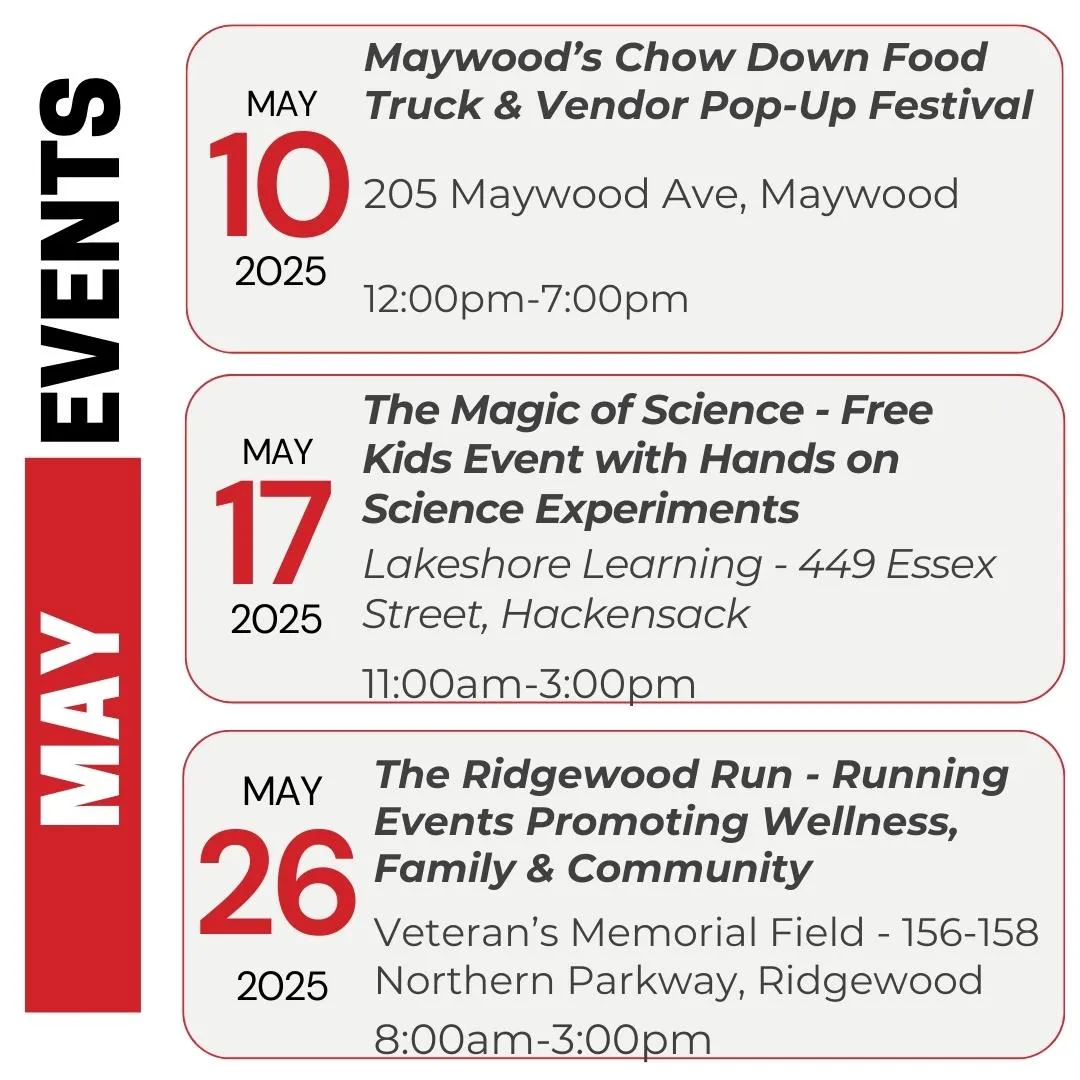
Top 3 Local Event Picks
What's Happening This Month in Northern NJ!
Get our Free Guide to
"Value-Up™ Your Home"
Our Value-Up™ Your Home eBook Was Written To
Give You A Better Understanding of how to transform your home's value in Northern NJ! Get Yours FREE today!

Available for a limited time!
Buying or Selling in Northern NJ? Don't miss out on our latest Fall SEGInsider - A full guide to the housing market in Northern NJ.
Report Cards by Town
Brought to you by Niche.com
Check out Niche's 2024 Best Places to Live in Bergen County here
Bergen County, NJ
Bergen County, New Jersey, has a population of 953,243 and is considered one of the best places to live in the state. Most residents own their homes, and the area offers many bars, restaurants, coffee shops, and parks. It attracts young professionals, with residents generally leaning liberal. The public schools in Bergen County are highly rated.
Tenafly, NJ
Tenafly, a suburb of New York City in Bergen County with a population of 15,299, is one of the best places to live in New Jersey. Most residents own their homes and enjoy a suburban feel with numerous restaurants, coffee shops, and parks. The town attracts families, and residents generally hold moderate political views. Tenafly’s public schools are highly rated.
Oradell, NJ
Oradell, a New York City suburb in Bergen County with a population of 8,208, is considered one of the best places to live in New Jersey. Residents enjoy a suburban feel, with most owning their homes. The town has plenty of coffee shops and parks and is popular among retirees. Oradell residents generally lean conservative, and the public schools are highly rated.
Hawthorne, NJ
Hawthorne, a suburb of New York City in Passaic County with a population of 19,456, offers a dense suburban feel with many restaurants, coffee shops, and parks. It attracts families and young professionals, with residents generally leaning liberal. The public schools are rated above average.
Demarest, NJ
Demarest, a New York City suburb in Bergen County with a population of 4,930, is considered one of the best places to live in New Jersey. It has a rural atmosphere, with most residents owning their homes. The community generally holds moderate political views, and the public schools are highly rated.
Closter, NJ
Closter, a New York City suburb in Bergen County with a population of 8,555, is highly rated as a place to live in New Jersey. It provides a rural feel, and most residents own their homes. The community tends toward moderate political views, and the public schools are highly rated.
Montvale, NJ
Montvale, a New York City suburb in Bergen County with a population of 8,413, is known as one of New Jersey’s top places to live. It offers a sparse suburban atmosphere, with most residents owning their homes. The area attracts many young professionals, and the community generally leans conservative. Montvale’s public schools are highly rated.
Upper Saddle River, NJ
Upper Saddle River, a New York City suburb in Bergen County with a population of 8,313, is highly rated as a place to live in New Jersey. It offers a rural feel, with most residents owning their homes and enjoying the town’s numerous parks. Residents tend to hold moderate political views, and the public schools are highly rated.
Woodcliff Lake, NJ
Woodcliff Lake, a New York City suburb in Bergen County with a population of 6,096, is highly regarded as a place to live in New Jersey. It provides a sparse suburban feel, with most residents owning their homes and enjoying many coffee shops and parks. The community leans conservative, and the public schools are highly rated.
Real Estate Insights, Home Tips & More
How This Market Rewards Strategy
The Market Isn’t Confusing. It’s Just Being Misread.
You’ve probably heard it a dozen different ways by now.
“The market is shifting.”
“Buyers are pulling back.”
“Sellers missed their moment.”
None of those are entirely wrong. But none of them are fully right either.
What’s actually happening is more nuanced and, if you understand it correctly, far more strategic.
We are not in a collapsing market. We are in a constrained, recalibrating one. And that distinction matters, because it changes how you should move whether you’re buying or selling.
The Real Story Behind the Headlines
Interest rates have done what they were supposed to do. They slowed behavior. They forced buyers to think harder. They introduced friction where there used to be speed.
But they didn’t eliminate demand.
Buyers are still out there. They’re just more calculated now. Instead of rushing in with emotion, they’re weighing value, comparing options, and making decisions with a longer-term lens. That’s why you’re seeing fewer offers per property, but stronger ones when they do come in.
At the same time, inventory has loosened slightly, but not enough to tip the scale. We’re still operating below what would be considered a balanced market. Which means sellers haven’t lost leverage, they’ve just lost the ability to rely on momentum alone.
This is no longer a market where you can show up and expect the market to carry you.
Now, the outcome is tied directly to strategy.
What This Means If You’re Selling
The biggest misconception sellers have right now is thinking the market determines their result.
It doesn’t. Not anymore.
In the past, you could rely on timing. List at the right moment, and the demand would do the heavy lifting. Today, that same approach leads to price reductions, extended days on market, and missed expectations.
The homes that are winning right now are not necessarily the newest or the biggest. They’re the ones that are positioned correctly from day one.
That means understanding how buyers are thinking before your home ever goes live. It means preparing the property in a way that creates emotional connection and perceived value. It means pricing based on strategy, not optimism.
This is exactly why we built our Value-Up Method™. Because in a market like this, you don’t get rewarded for simply being available. You get rewarded for being irresistible in the eyes of the right buyer.
And that doesn’t happen by accident.
What This Means If You’re Buying
From the outside, this market can feel like a standoff. Rates are higher, prices haven’t dropped dramatically, and it’s easy to assume the smartest move is to wait.
But that’s not what the most strategic buyers are doing.
They’re recognizing that while affordability has shifted, leverage has quietly returned.
Less competition means more room to negotiate. Sellers are more open to concessions. Opportunities that would have been dismissed instantly two years ago are now back on the table.
The key is knowing how to identify them.
This is where most buyers get stuck. They’re still searching like it’s 2021, reacting to listings instead of evaluating them. The shift is moving from “Do I love this house?” to “What’s the upside of this decision over the next five to ten years?”
That’s the foundation of our Buyer Upside Method™. Because the goal isn’t just to buy a home. It’s to make a move that builds equity, creates flexibility, and positions you for what comes next.
The Bottom Line
This market isn’t easier. It’s just more honest.
It exposes weak strategy quickly. It rewards preparation, clarity, and precision. And it demands a level of thinking that goes beyond headlines and surface-level advice.
The clients who are winning right now aren’t guessing. They’re planning.
They understand that real estate has always been a long game. The difference today is that the market is forcing everyone to play it that way again.
If you’re trying to figure out your next move, the most valuable thing you can have right now isn’t timing. It’s clarity.
Because when you understand the game you’re playing, you stop reacting to the market… and start using it.